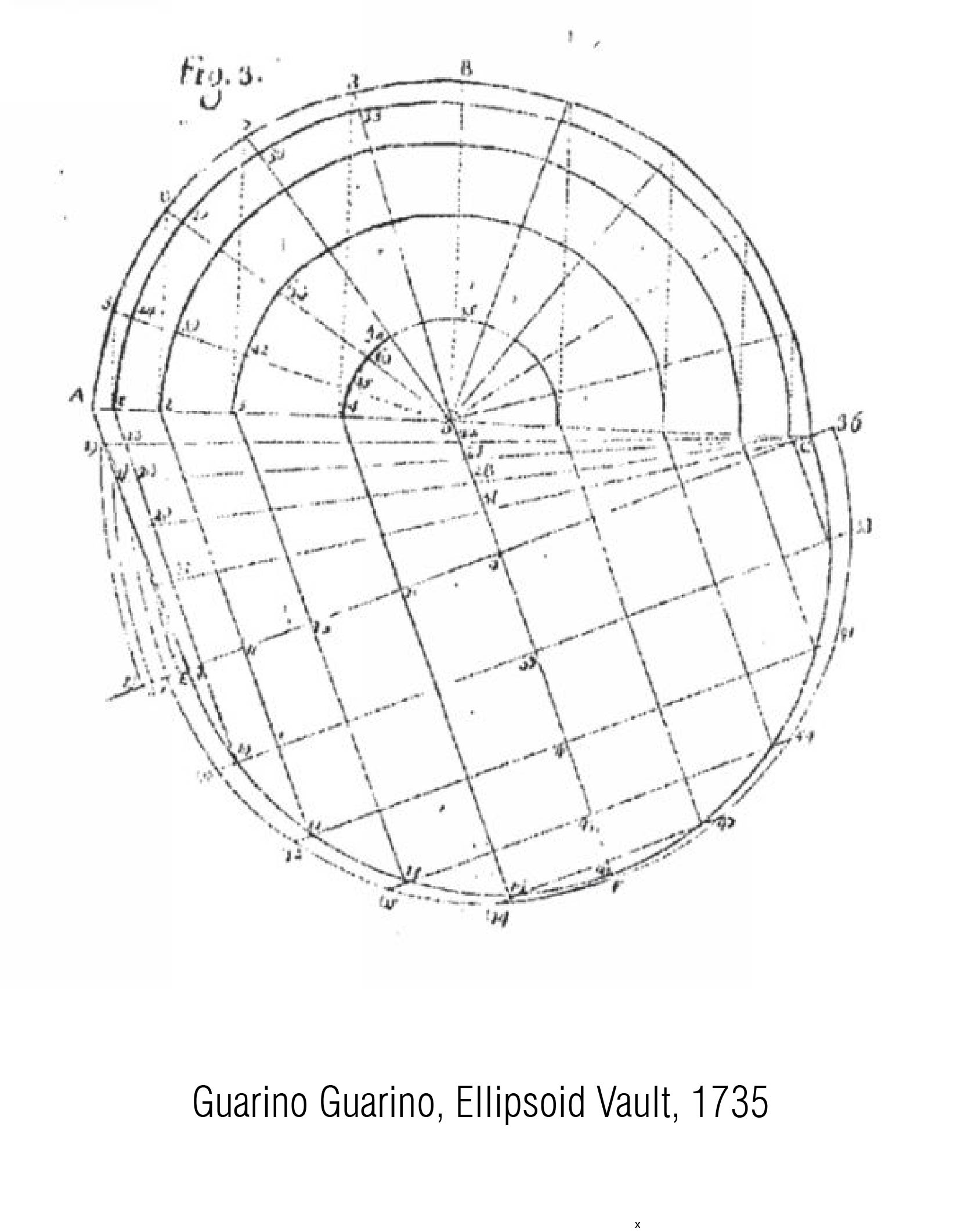
Orthographic projection and stereotomy are both based on principles from Euclid’s Elements (300 BCE). Euclid’s axiom of convergence, a proposition based on the proportional relationship between non-parallel lines connected by parallel lines, can be directly linked to the control and production of variable non-circular curvature in stereotomic drawing. In this way, stereotomy and orthography transformed the principles set forth by Euclid into architectural representation systems capable of describing, proposing and controlling three-dimensional form. As Bernard Cache points out, it may be possible to understand the computer as yet another tool to “open up the potentialities of Euclidean space.”
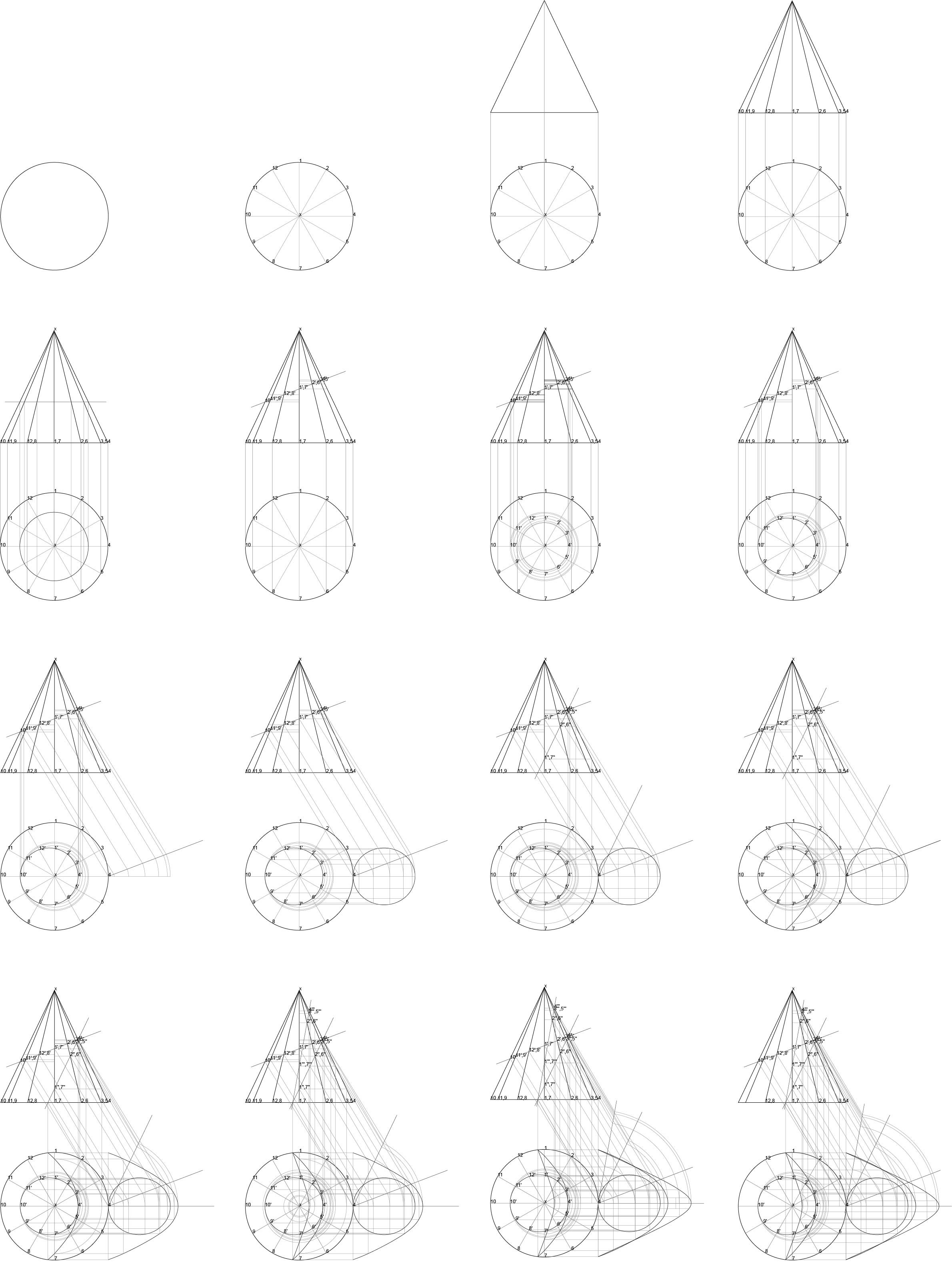
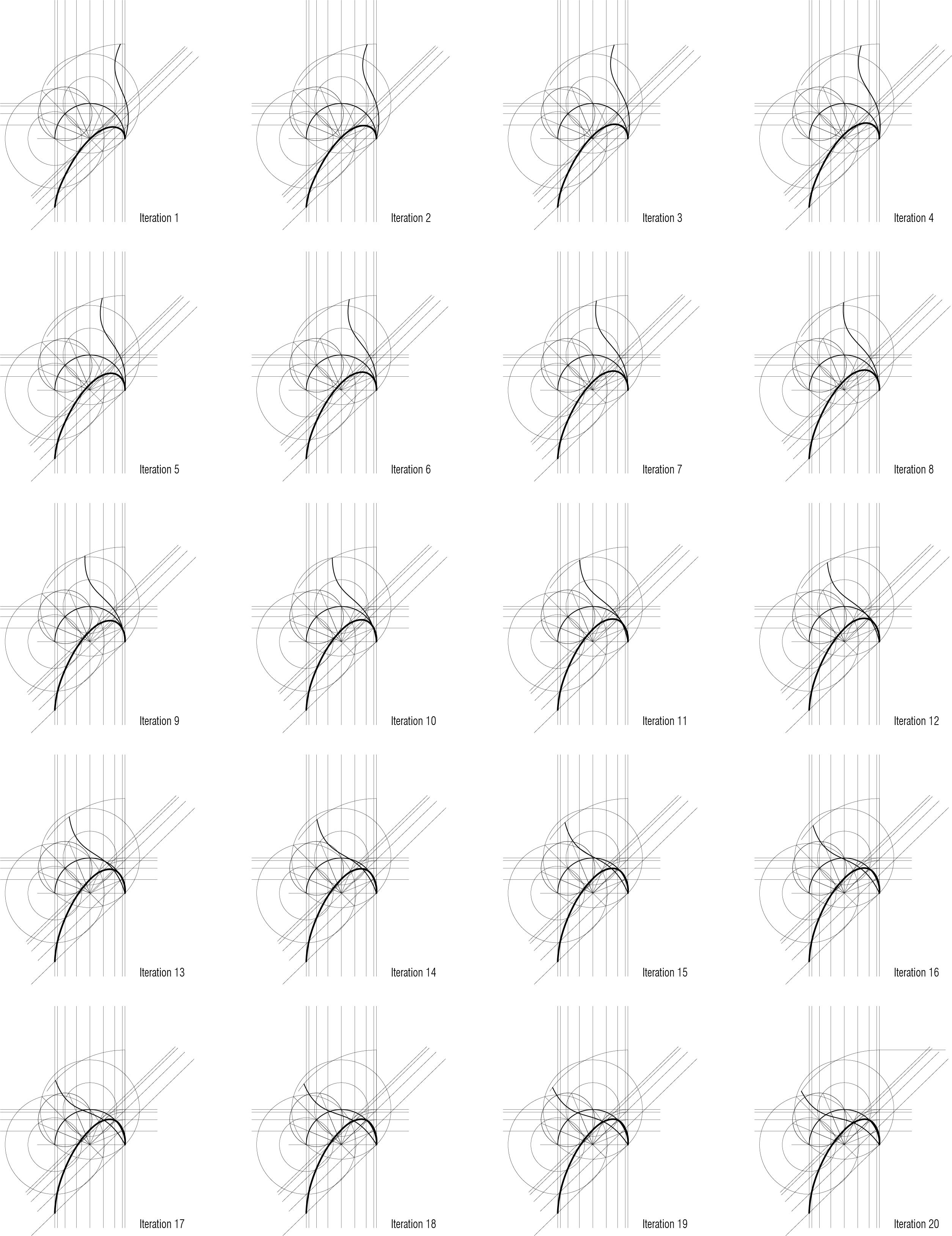
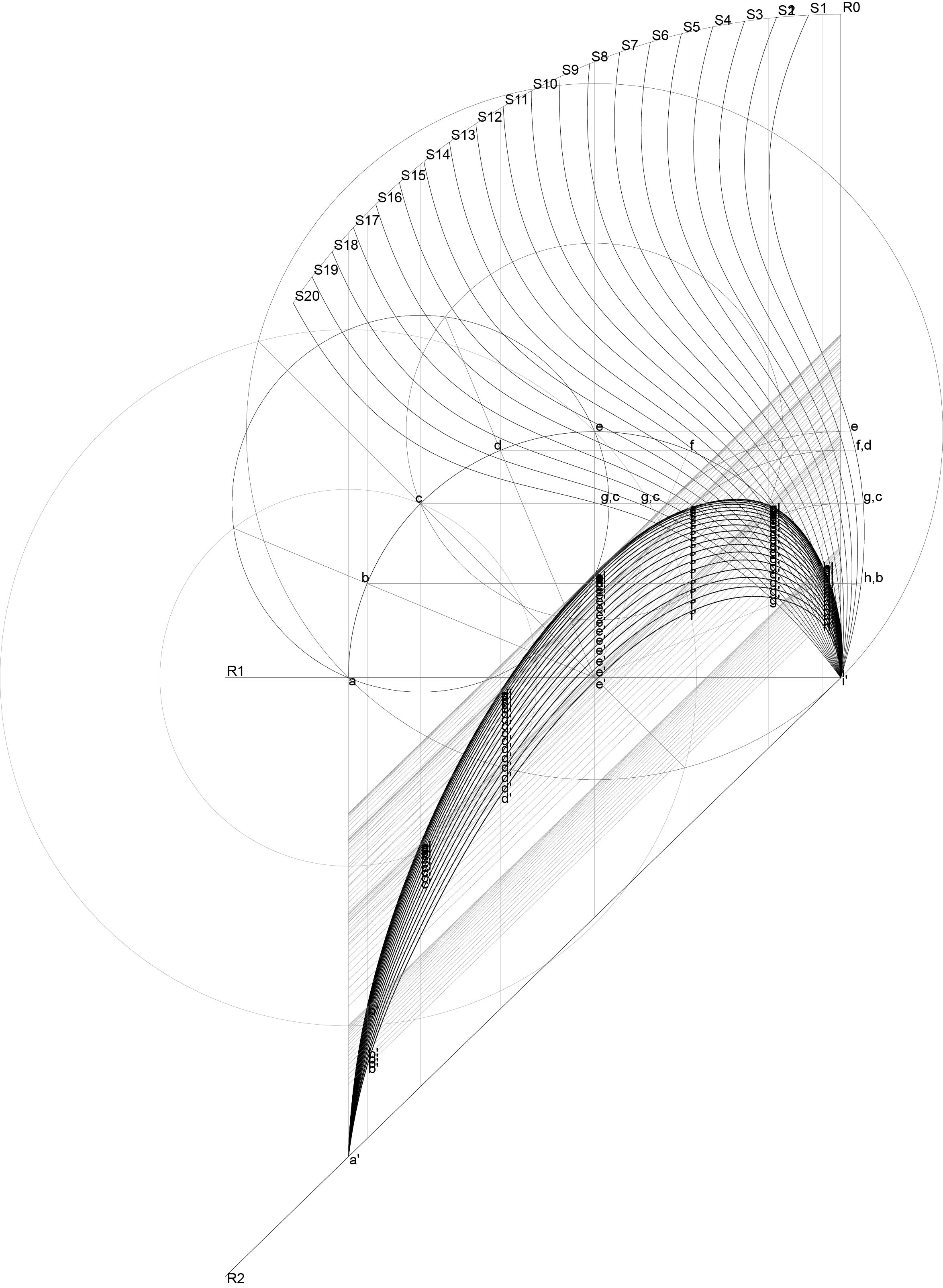
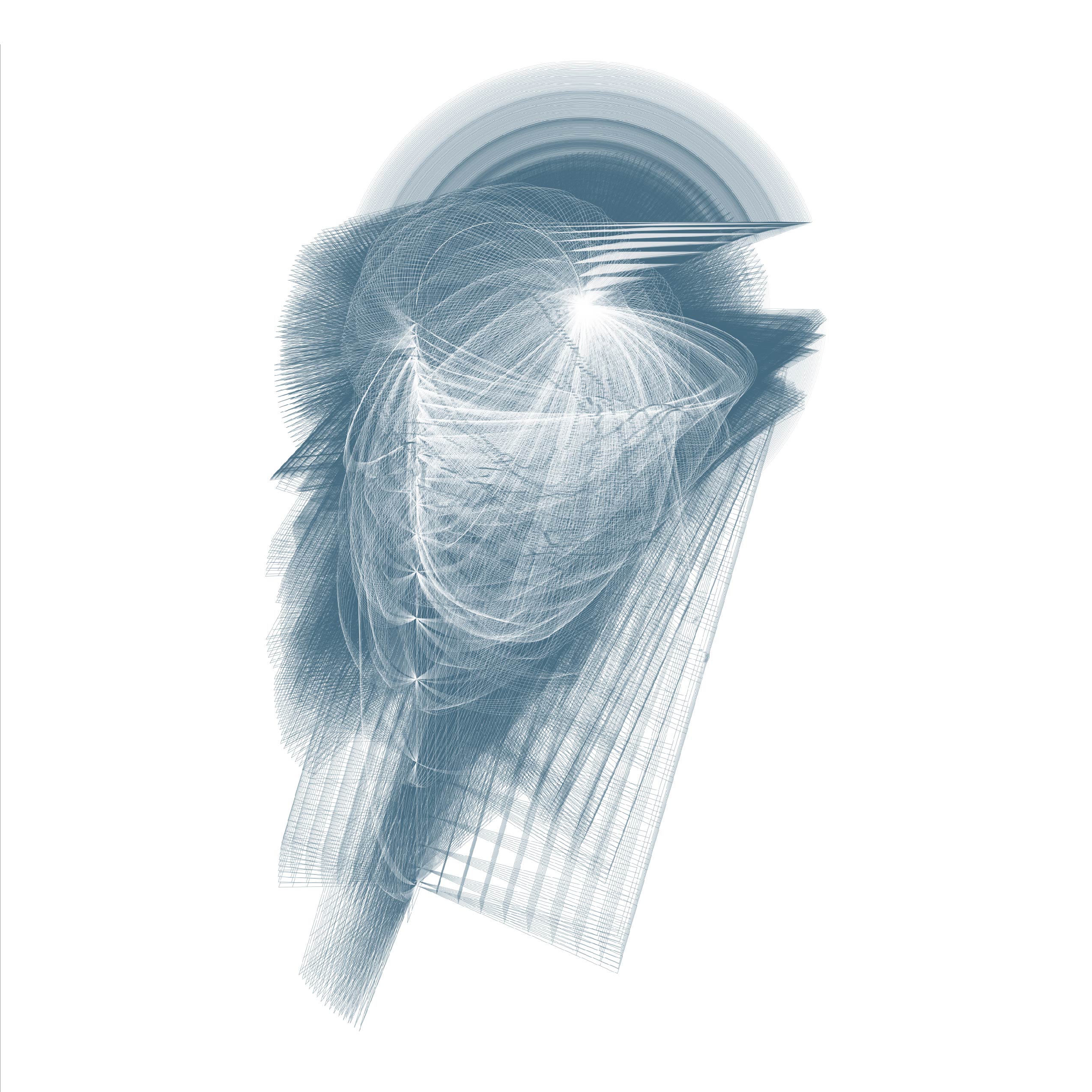
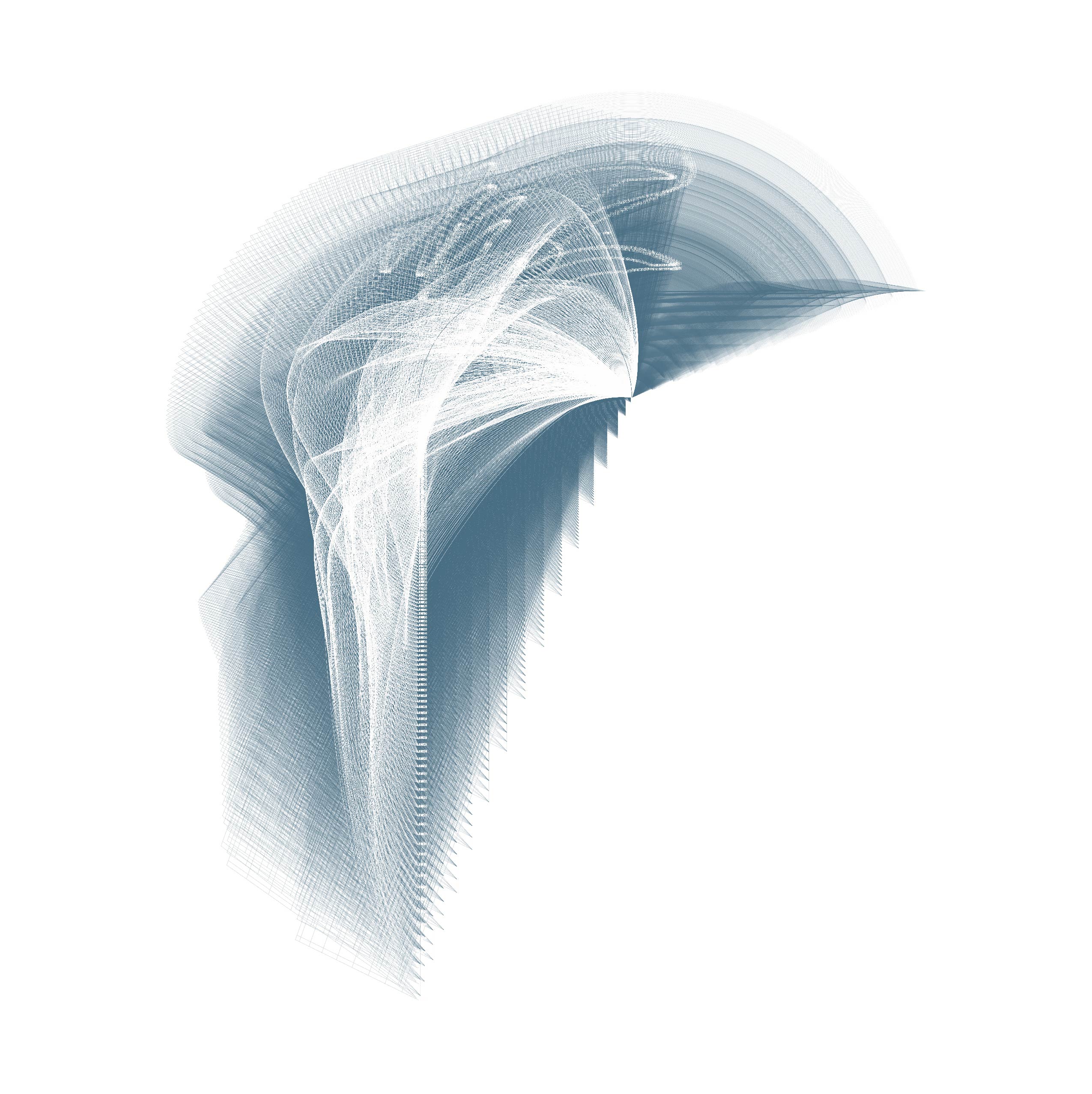
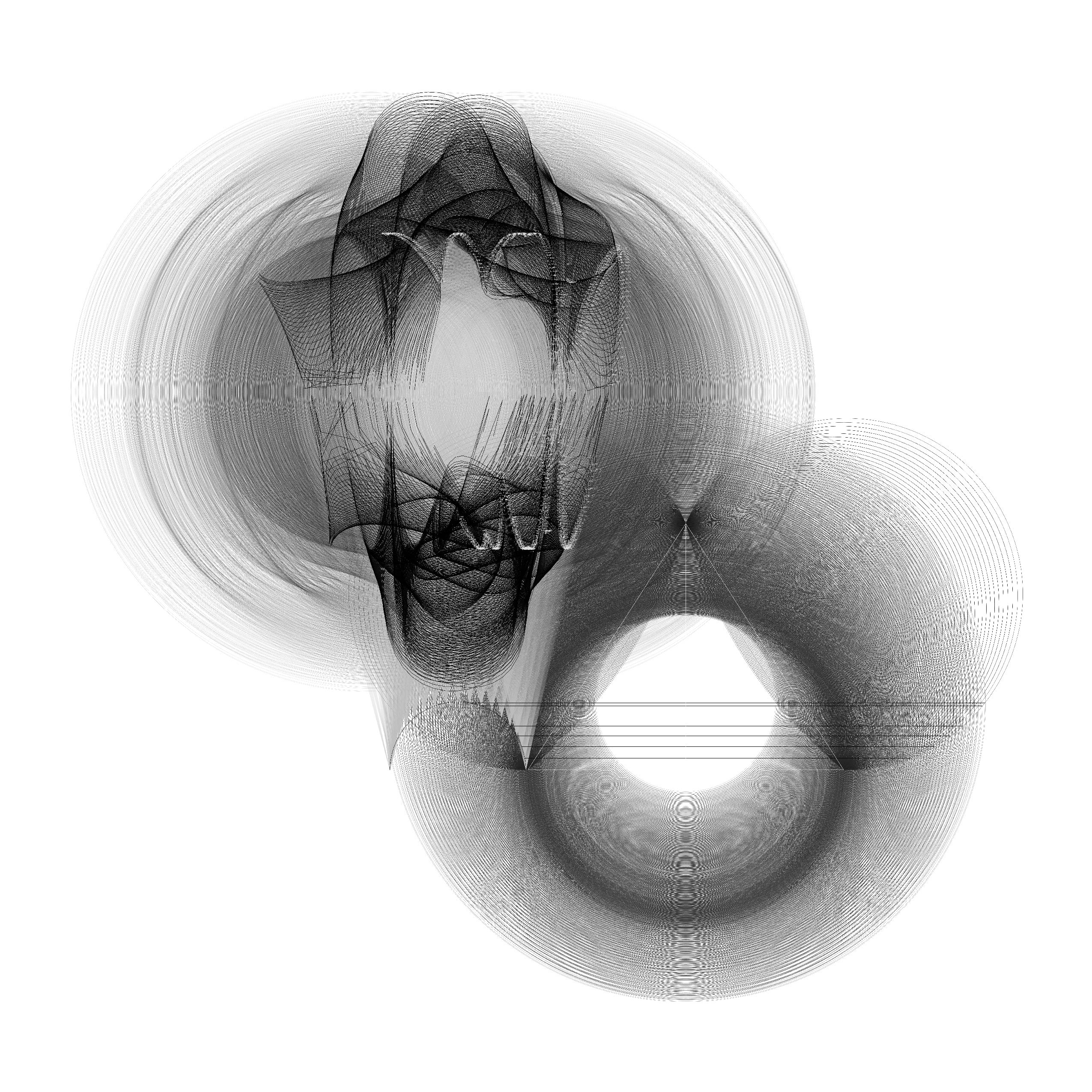
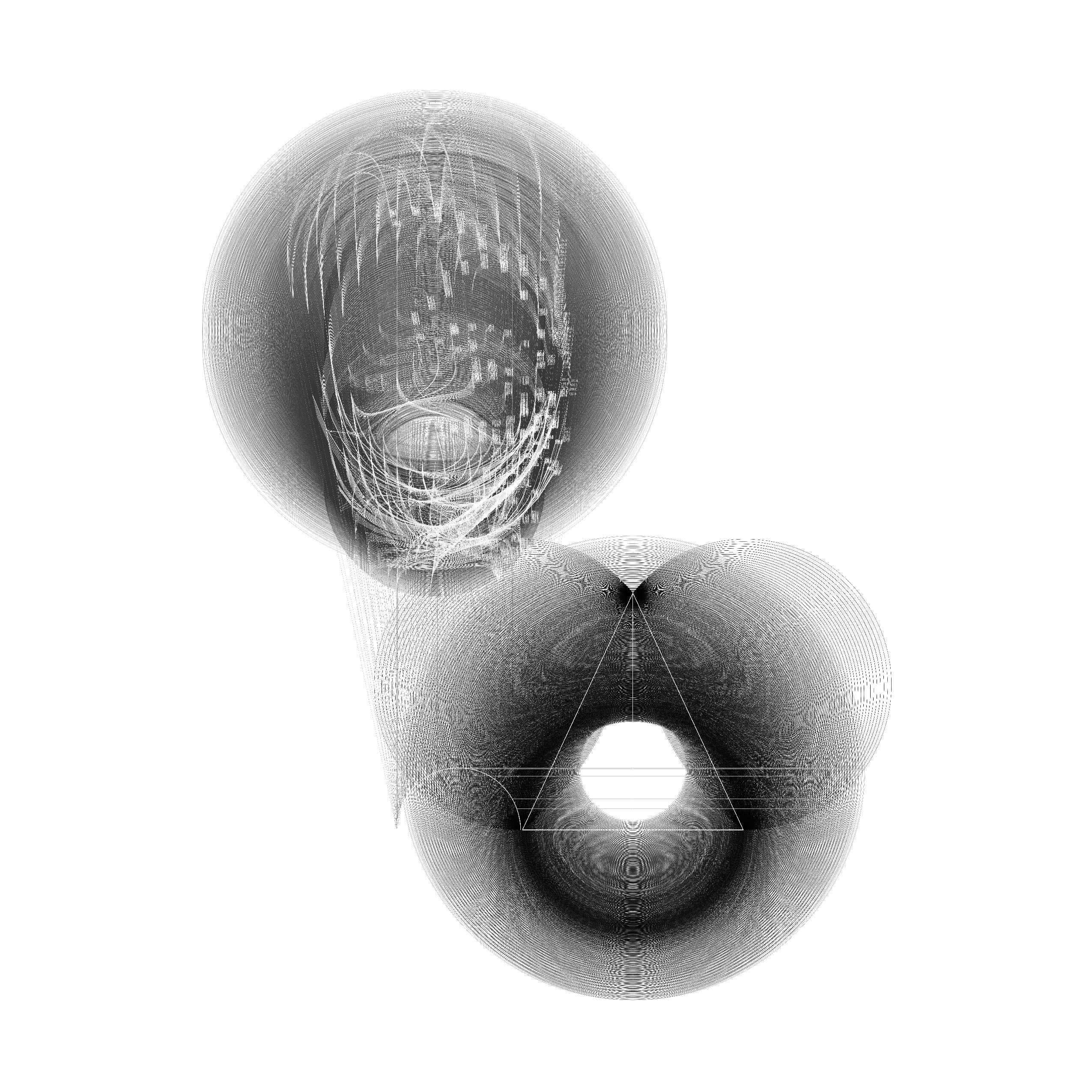
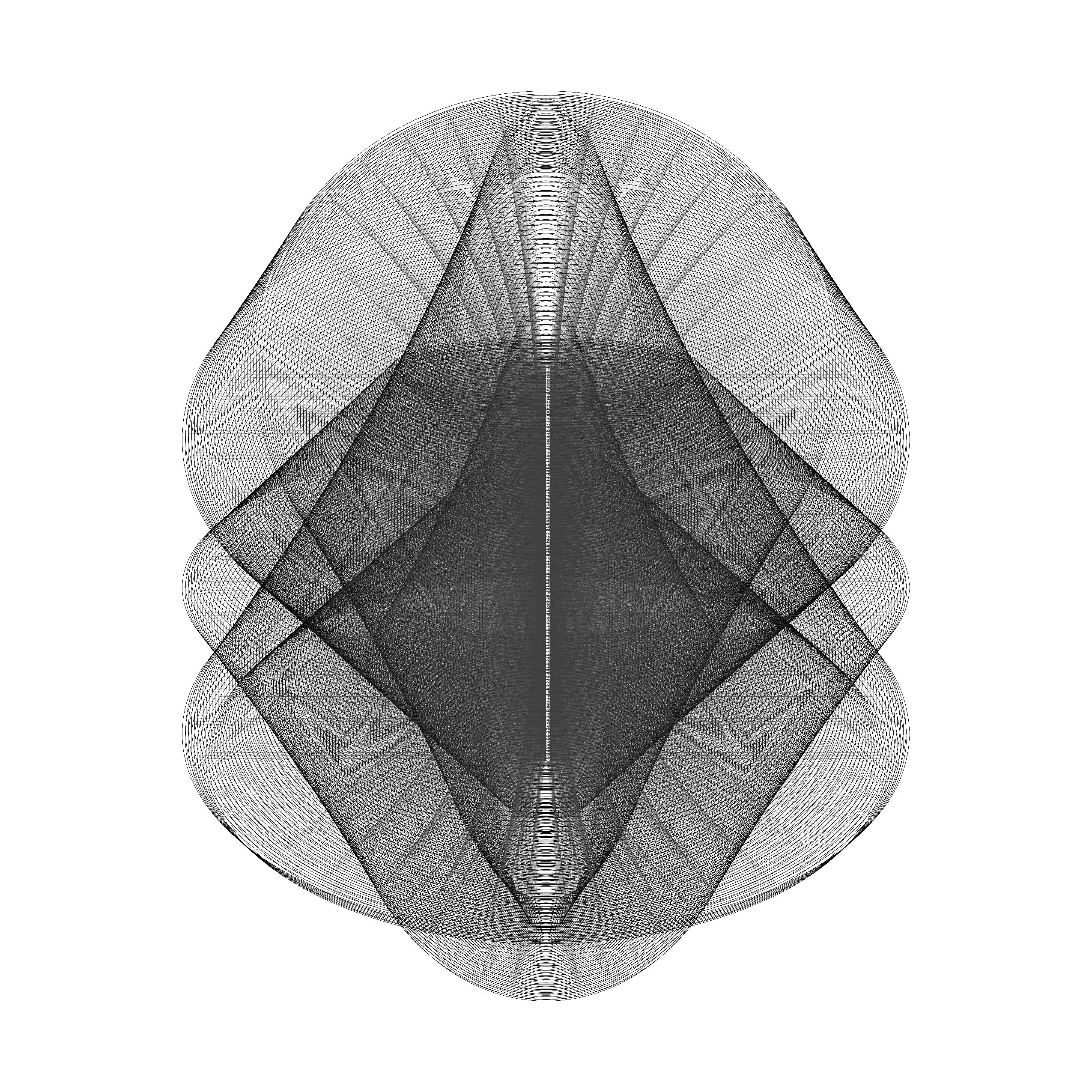
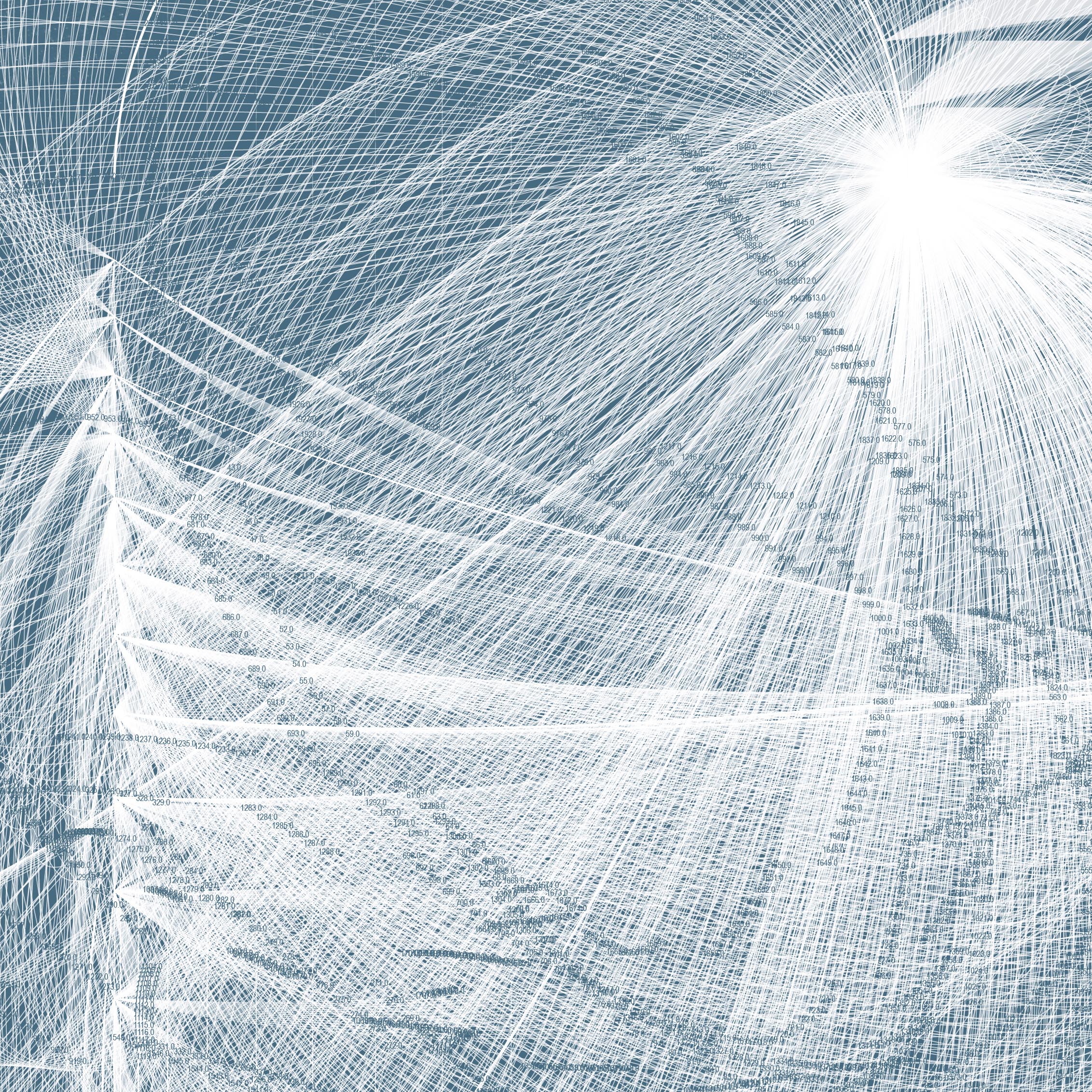
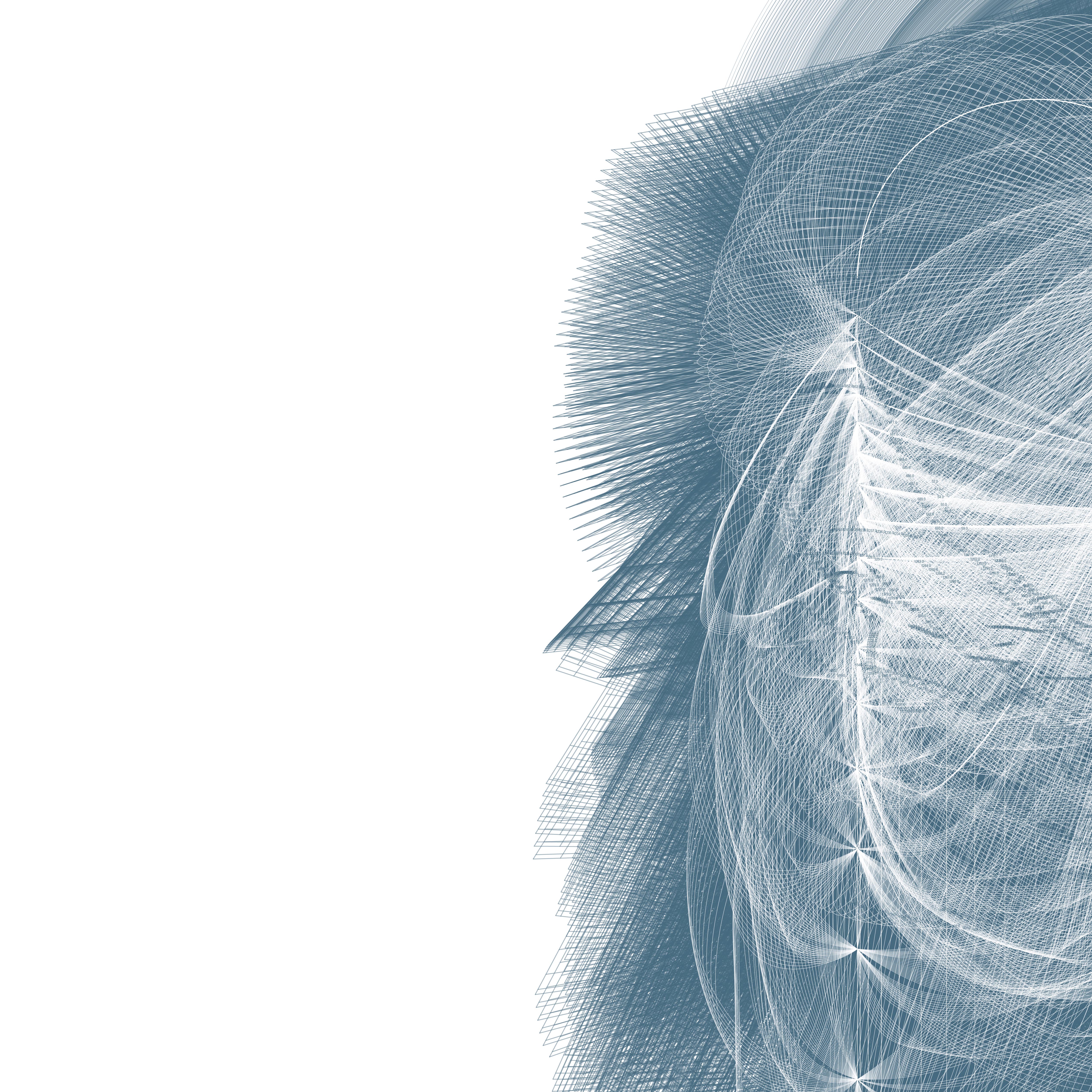
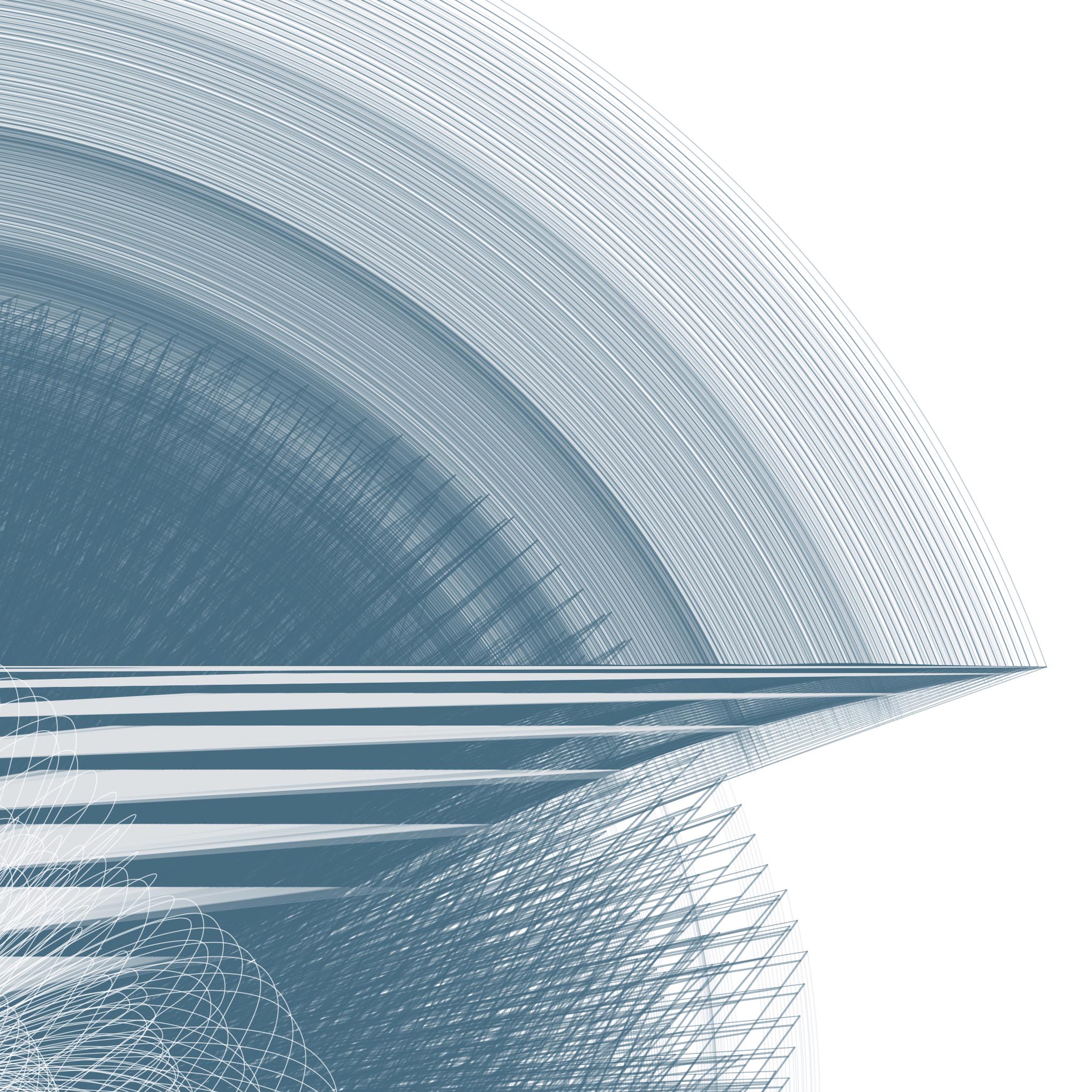
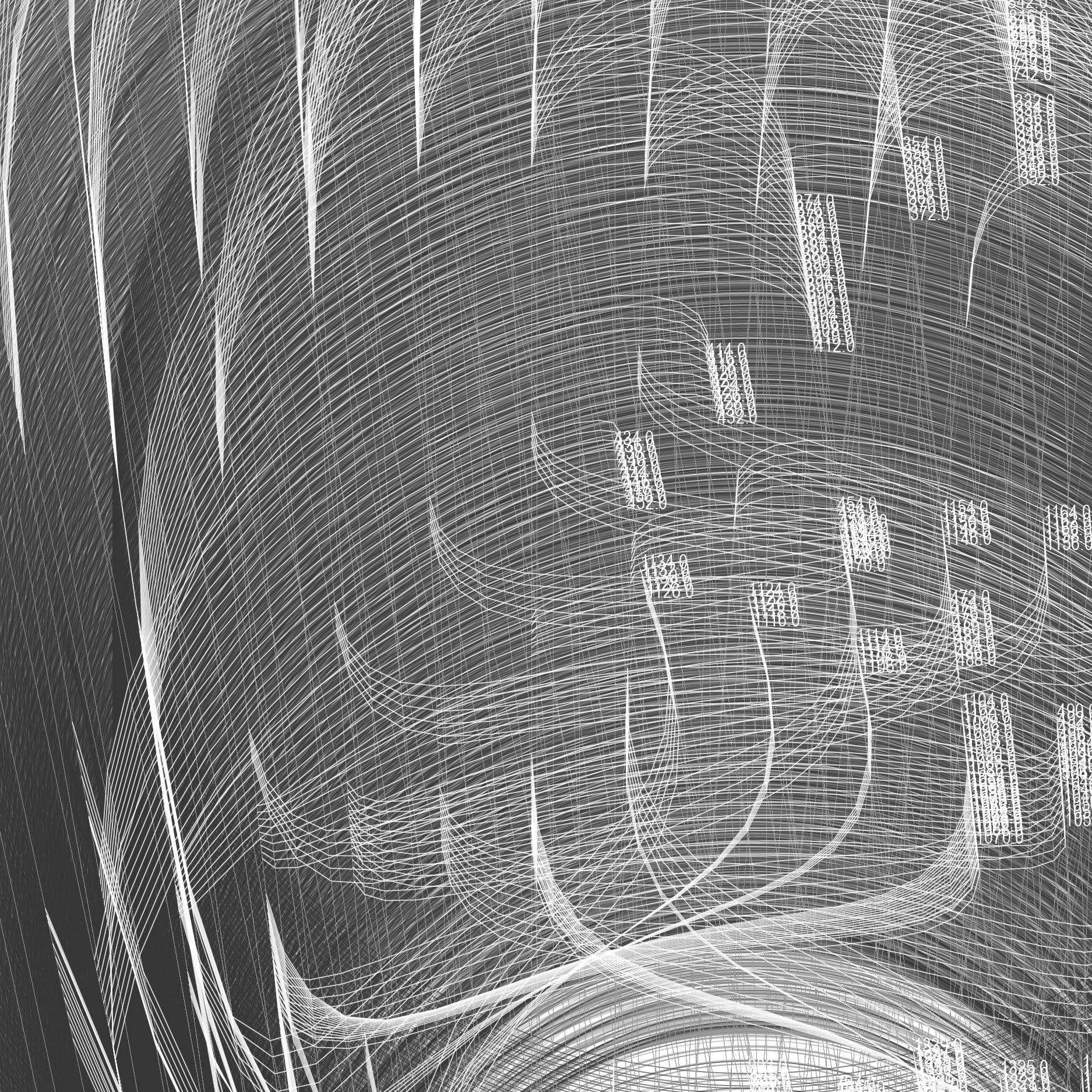
This research (through drawing) has yielded an array of complex and dense drawings, each of which depend on the manipulation of only three variables: ground line, section line, and reference line. While we have been using digital tools to accomplish this task, in some basic sense the work has still remained manual. Commands were executed individually, building up drawings out of sets of singular operations, much in the same manner a hand drawing would be made. In order to project three versions of the same point, three lines were defined and drawn individually. We therefore have been repeating stereotomic techniques with a different compass, but not a “variable” one. In this next exercise we will test the potential of stereotomic drawing, by leveraging repeatable processes to introduce a new variable: time.
-- Mark Ericson

Completed